

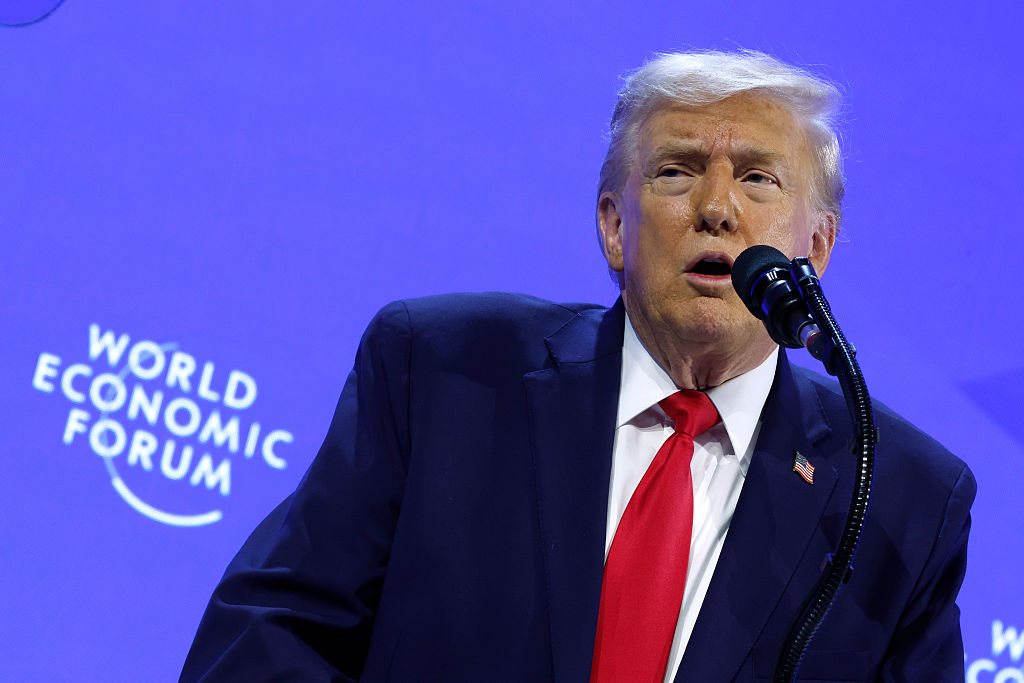
President Donald Trump, who has long expressed skepticism of the scientific consensus on climate change, again brushed aside concerns on Friday by falsely implying that the massive winter storm set to hit much of the U.S. this weekend contradicts the evidence that the planet is getting warmer.
“Record Cold Wave expected to hit 40 States. Rarely seen anything like it before,” Trump said in a post on Truth Social on Friday. “Could the Environmental Insurrectionists please explain — WHATEVER HAPPENED TO GLOBAL WARMING???”
[time-brightcove not-tgx=”true”]
The storm is forecasted to bring damaging ice, heavy snowfall, and gusty winds that could impact more than 230 million people across the country from Friday through Monday. At least 14 states, as well as Washington, D.C., have declared a state of emergency ahead of the storm, which has been named Winter Storm Fern by The Weather Channel. The coming inclement weather has raised alarms about dangerous cold, prolonged power outages, and travel disruptions, with forecasters warning that the storm could prove catastrophic.
Read More: How To Stay Safe and Warm In Extreme Cold Weather
But the idea that brutal winter conditions of this kind mean that climate change isn’t happening, as Trump suggested, is a misconception.
“The existence of winter doesn’t disprove climate change,” Stuart Evans, assistant professor of geography at the University of Buffalo, previously told TIME. “Climate change is a long term trend that makes winter warmer, but it’s not erasing the occurrence of winter.”
While experts agree that on average climate change is leading to shorter and milder winters, they also say that the warming of the planet is leading to more intense winter storms. As the planet’s atmosphere gets warmer, it carries more moisture, which leads to more precipitation being released, including snow.
Experts also point to climate change as an explanation for why some places that didn’t use to see intense winter storms now do. Last year, for instance, a historic storm blew through the Gulf Coast, dropping as much as 10 inches of snow in parts of Florida.
Research indicates that climate change can make extreme weather events—including heat waves, heavy rainfall, severe floods, droughts, extreme wildfires, and hurricanes—more intense and more frequent.
“It’s important to remember there was extreme weather before climate change,” Alex Hall, a professor of atmospheric and oceanic sciences at the University of California, Los Angeles, previously told TIME. “The climate is variable, the weather is variable; we expect there to be extremes. But it’s just that the likelihood of extremes has changed, and the likelihood of these types of events occurring is greater.”