

Vitamin D is often called the “sunshine vitamin” because it is made by the body after the skin receives direct sun exposure. This fat-soluble vitamin is also available from certain foods such as fatty fish, mushrooms, egg yolks, and fortified dairy products, but exposure to ultraviolet B (UVB) light is a major contributor to people’s vitamin D stores.
Given that there are fewer hours of daylight and less intense sunlight during the winter in many parts of the world, it can be hard to maintain sufficient vitamin D levels in your body. A 2023 study from Slovenia found that 63% of adults who were not taking vitamin D supplements had insufficient vitamin D levels during the winter, compared to only 6% in the summer.
[time-brightcove not-tgx=”true”]
“When you are bundled up from head to toe and have limited sun exposure in the winter months in the northern hemisphere, your body is not absorbing as much vitamin D as it may in warmer conditions,” says Kelsey Higgins, a nutrition support dietitian at the Vanderbilt University Medical Center.
Adequate amounts of vitamin D are important for overall health and well-being. Besides promoting calcium and phosphorus absorption, which are critical for building and maintaining bone density, “vitamin D plays a role in immune function, it decreases inflammation, and it helps with muscle coordination,” says Carla Bouwmeester, a clinical professor in the department of pharmacy and health systems sciences at Northeastern University.
In kids, vitamin D is essential for preventing rickets, a bone-softening disease. And vitamin D has been found to have mood-regulation benefits in adults.
How much vitamin D is enough?
“Some people can meet some or all of their vitamin D needs through exposure to sunlight,” says Dr. Elizabeth Ko, an associate clinical professor at the David Geffen School of Medicine at UCLA and medical director of the UCLA Health Integrative Medicine Collaborative. “However, the season, time of day, length of day, cloud cover, smog, skin melatonin content, and sunscreen use are among the factors that affect UV radiation exposure and vitamin D synthesis.”
While guidance about sufficient intake of vitamin D doesn’t change with the seasons, your body’s level of vitamin D can, Ko says.
As far as dietary sources go, the recommended intake of vitamin D depends on your age: 600 I.U. per day for kids and adults up to age 70, and 800 I.U. per day for adults ages 71 and older.
Read More: Can I Make My Sweet Tooth Go Away?
The trouble is, “there aren’t a lot of robust food sources of vitamin D,” says Joan Salge Blake, a clinical professor of nutrition at Boston University and host of the nutrition and health podcast Spot On! Vitamin D is present in fatty fish (such as trout, salmon, sardines, and tuna), beef liver, egg yolks, some mushrooms, and fortified foods such as cow’s milk, some plant-based milks, and breakfast cereals—but few other foods have it.
Certain people are at an elevated risk for developing vitamin D insufficiency all year long. These include older adults (partly because the skin’s ability to synthesize vitamin D decreases with age) and people with certain medical conditions such as celiac disease, Crohn’s disease, ulcerative colitis, and other disorders that interfere with the body’s ability to absorb dietary fat. People who have had gastric bypass surgery can also become deficient in vitamin D, says Bouwmeester.
People with darker skin are also at risk for low vitamin D because the melanin pigment in their skin reduces their ability to produce vitamin D from sun exposure, Bouwmeester says.
And some medications—including corticosteroids (like prednisone) and certain weight-loss drugs (like Orlistat)—can reduce vitamin D absorption.
To supplement or not to supplement?
“In the winter months, we don’t typically have enough sun exposure to make vitamin D,” says Jacqueline Vernarelli, a public health nutritionist and associate professor at Sacred Heart University. “This means that in the winter we need to make sure we are getting more from foods or supplements.”
If you don’t typically consume sufficient amounts of vitamin-D-rich foods, you may want to consider taking a vitamin D supplement. Your best bet is to “get your vitamin D level checked by your doctor,” advises Salge Blake. A simple blood test can measure your body’s vitamin D levels. Generally, blood levels of 20 ng/mL are considered sufficient for most people.
“If it’s low, you can discuss taking a supplement,” Salge Blake says. If you decide to take a supplement, have your vitamin D level checked again after a few months “to make sure it’s where it needs to be,” she adds.
Read More: Why Are People Obsessed With Hypochlorous Acid?
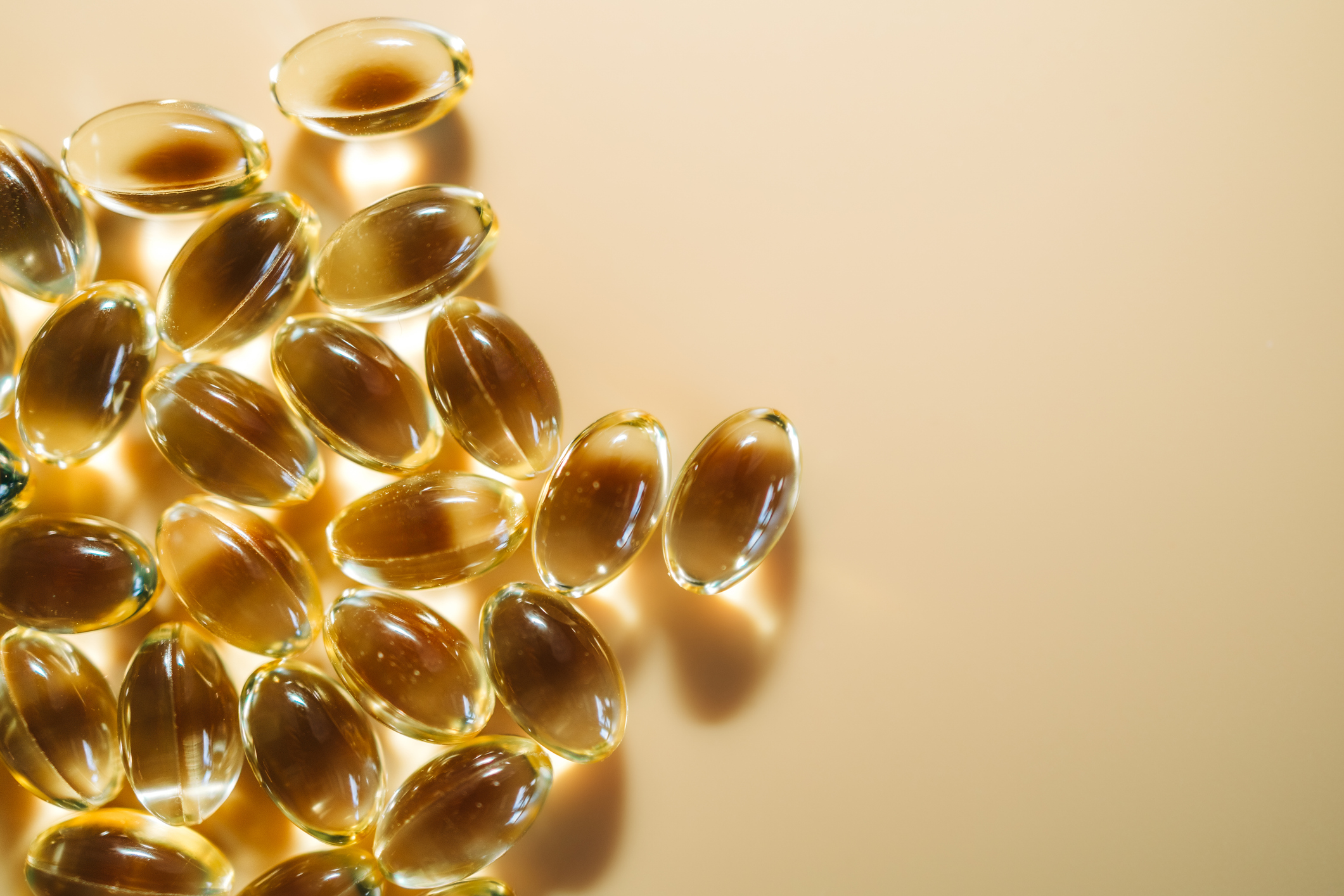
In supplement form, vitamin D comes as either vitamin D2 (ergocalciferol) or vitamin D3 (cholecalciferol). While both forms can raise blood levels of vitamin D, vitamin D3 increases blood levels of vitamin D “to a greater extent than vitamin D2 and can maintain those higher levels for longer periods of time,” says Ko.
If you’re going the supplement route, “since vitamin D is fat-soluble, it is better absorbed when taken with a meal that contains fat,” says Vernarelli.
But keep in mind: “When it comes to supplementation, more than enough is not necessarily better than enough,” says Higgins. There’s a tolerable upper limit for vitamin D intake from all sources—foods, beverages, and supplements—of 4,000 I.U. per day.
Your best bet is to keep your intake somewhere between the recommended daily amount and the upper limit, Bouwmeester says. “The risks of excess vitamin D intake over a long period of time include increased calcium in the blood, which causes high calcium in urine and can lead to kidney stones,” says Bouwmeester. Too much vitamin D in the blood also can lead to cardiac arrhythmias, Salge Blake says.
The last thing you want to do is trade one set of health risks for another—which is why it’s important to find and stay in the sweet spot with your vitamin D intake all year long.