

Warning: This post contains spoilers for “Wuthering Heights.”
As far as iconic characters from Wuthering Heights go, Isabella Linton typically isn’t one of the first to come up in conversation about Emily Brontë’s classic 1847 gothic romance novel. In the timeless tale of the obsessive love-hate relationship between headstrong Catherine Earnshaw and her brooding outsider of a foster brother Heathcliff, Isabella is introduced as the pampered and privileged younger sister of Edgar Linton, the wealthy heir to Wuthering Heights’ neighboring estate of Thrushcross Grange and Catherine’s eventual husband. Isabella goes on to fill the role of used and abused pawn in Heathcliff’s quest for vengeance against the Earnshaw and Linton families before ultimately fleeing the Yorkshire countryside and dying young.
[time-brightcove not-tgx=”true”]
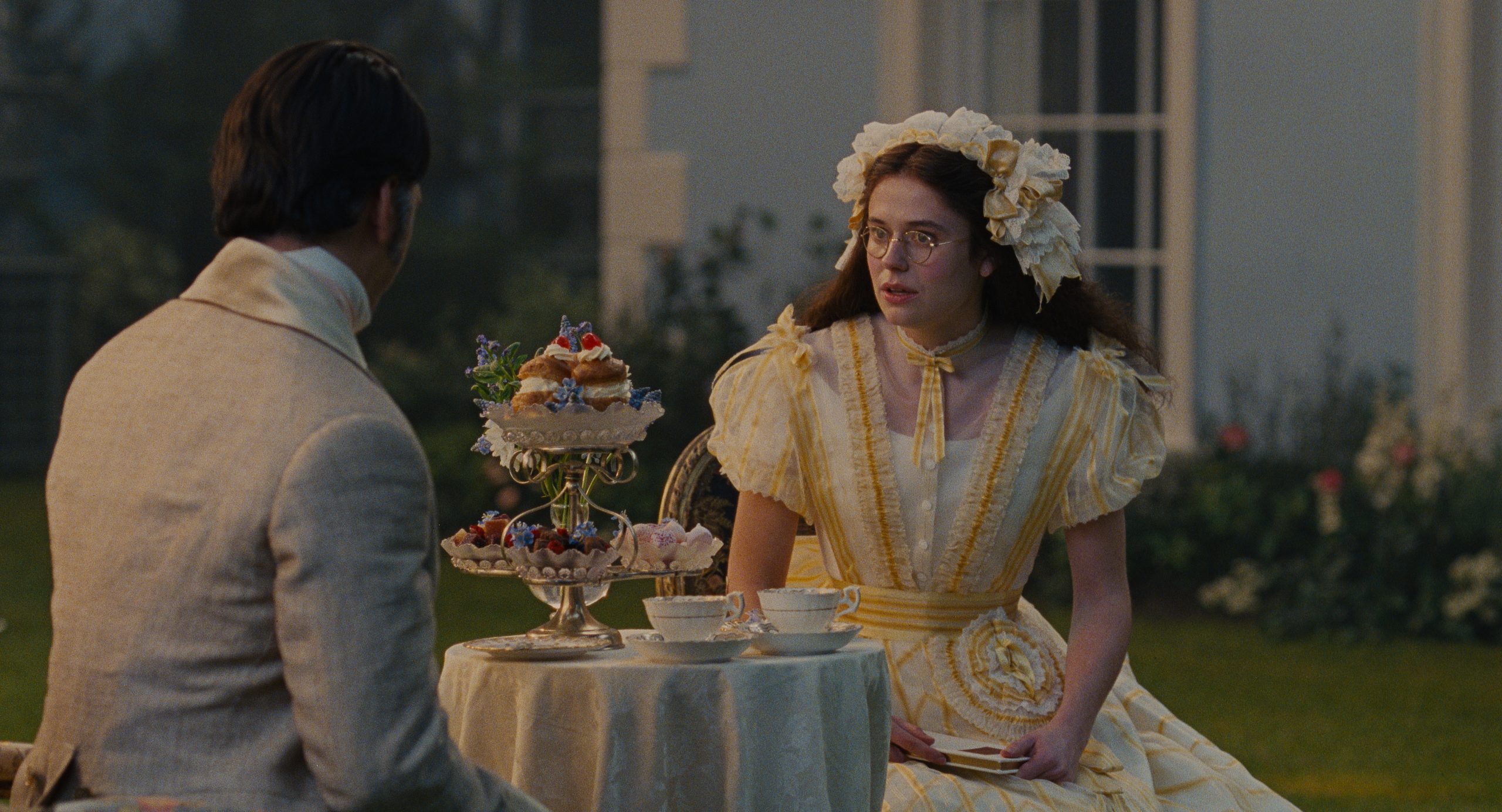
In the newly-released “Wuthering Heights” (purposefully stylized with quotation marks to distance the adaptation from its source material), on the other hand, filmmaker Emerald Fennell (Promising Young Woman, Saltburn) paints Isabella (played by a scene-stealing Alison Oliver) as the shy, skittish, and sexually repressed young ward of Shazad Latif’s measured and mature Edgar—her guardian rather than, as in the book, her brother. Titillated by the introduction of Margot Robbie’s Catherine into their lives, and even more so by the subsequent arrival of a newly rich and polished Heathcliff (Jacob Elordi), the delightfully unhinged Isabella transforms before our eyes.
“There are a lot of descriptions in the book about how she is infantile and ill-mannered, and can be quite like a petulant child, and obviously very romantic and spoiled,” Oliver told ELLE Canada of her character’s spin. “[This] Isabella is this sort of baby-woman, and she’s been kept a child by Edgar. The experience of having Cathy and Heathcliff come into her home is her stepping into a new phase of her life.”
Read More: How Emerald Fennell Changes the Villain of ‘Wuthering Heights’
Despite some mean-spirited warnings from Cathy that Heathcliff will destroy her, Isabella ultimately gives in to Heathcliff’s advances and consents to a loveless marriage in which she will serve as his tormented plaything. The novel’s Isabella is coerced and tricked into this arrangement, and finds herself miserable, alone, and at the mercy of a sadistic abuser once the wedding deed is done. The Isabella of “Wuthering Heights,” however, not so much.
When Catherine’s handmaid Nelly (Hong Chau) shows up at Wuthering Heights in an attempt to retrieve Isabella from Heathcliff’s clutches, she finds her chained up like a dog—an apparent dark wink to the reveal in the book that Heathcliff has hanged Isabella’s beloved springer spaniel. But in a raunchy and unexpected twist on Brontë’s tortured naif, when Isabella crawls across the floor and peers smirkingly up at Nelly with a mad glint in her eye, it becomes decidedly (if somewhat uncomfortably) clear that she’s not only a willing participant in Heathcliff’s cruel game, but also seemingly enjoying her role as submissive pet.
“‘Emerald’s interpretation of Isabella’s story is the reverse of Cathy’s; there’s an uncorseting of her,” Oliver told ELLE UK. “Like she becomes undone. There’s something so powerful about being underestimated.”