

In 1999, I interviewed Prince for TIME and he told me to leave my tape recorder off because he didn’t trust what future technology might do with unauthorized recordings of his voice.
At the time, I thought Prince was being paranoid.
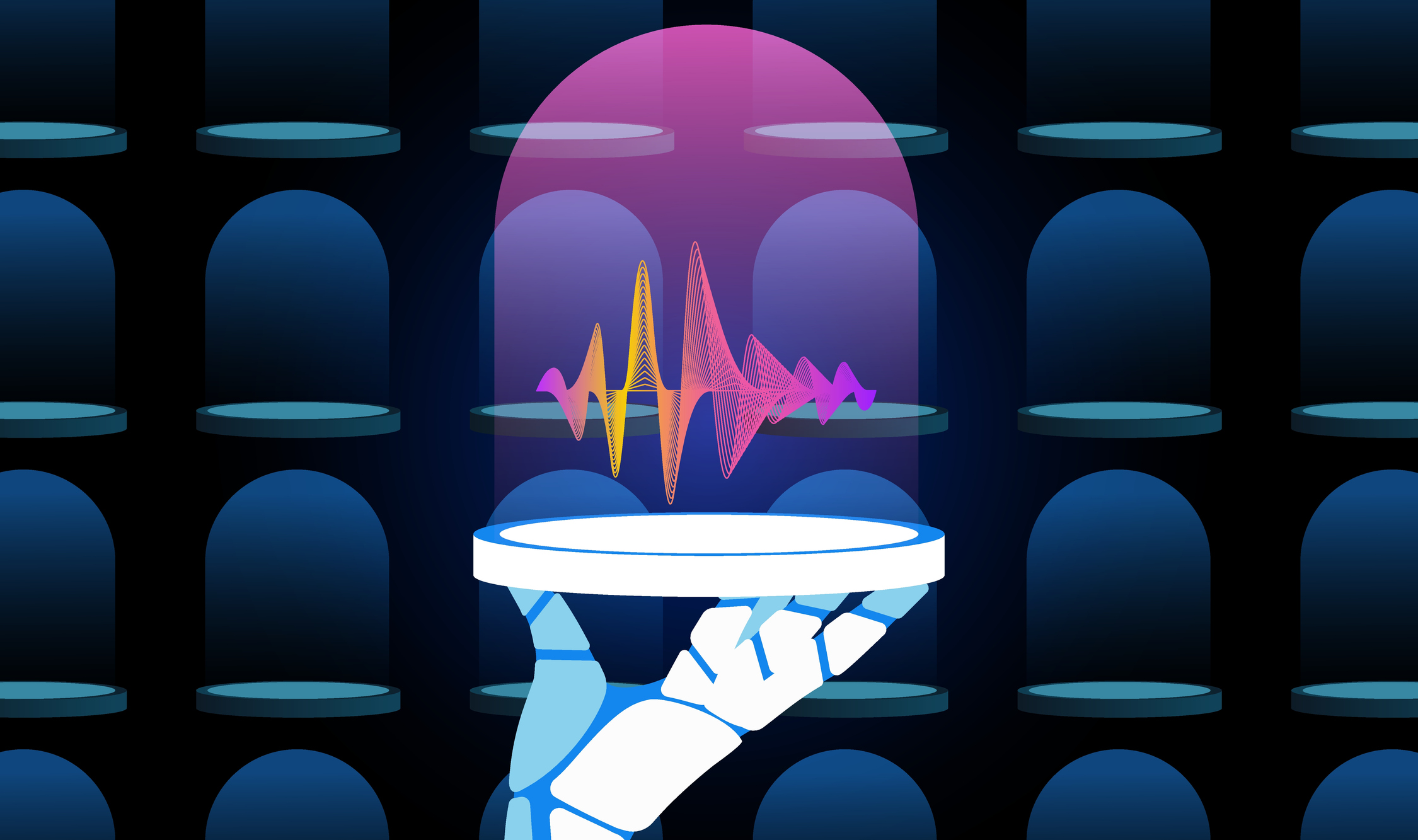
Recently, Xania Monet became the first known AI-powered musical act to debut on a Billboard magazine airplay chart. Another reportedly AI-driven act, Breaking Rust, recently topped the “Country Digital Song Sales” chart. We don’t know exactly what went into creating these AI-powered acts, but typically they are trained on the work of human musicians.
[time-brightcove not-tgx=”true”]
I realize now that Prince wasn’t paranoid, he was prescient.
The AI music machine
Billboard reports that at least six AI or AI-assisted acts have appeared on its charts in the last few months—and that figure could be higher, because it’s hard to tell which acts are driven by AI, and how much AI they’re using.
AI could overwhelm human artists if left unchecked. One reason: some music industry managers might see AI as a convenient replacement for notoriously difficult musician personalities. AI never has to go to rehab. AI doesn’t trash hotel rooms. AI doesn’t demand to renegotiate its record deal, or get in fights with paparazzi, or any of the million other things brilliant temperamental human artists might do. AI just pumps out products.
What’s more, a recent survey conducted by Ipsos for French music streaming service Deezer found that 97% of people polled couldn’t tell if a song was created by a human or generated by AI.
It’s certainly a problem for human artists if AI begins to sound more like them. But a potentially bigger problem may be that humans will start to sound more like AI. Music is a trend-driven industry—artists, fans and music executives chase after what’s hot, whether it’s alternative rock, K-Pop, or Afrobeats. If AI music begins to dominate the charts, humans will begin to echo the machines, and there will be a downward spiral into slop.
Pop music controversies are often centered around whether an artist is keeping it “real” or not. Beyoncé had to push back against haters who didn’t think she was country enough when she came out with her album “Cowboy Carter.” Kendrick Lamar and Drake dueled via diss tracks over whose music was authentically representing hip-hop. Nirvana frontman Kurt Cobain once said that “The worst crime I can think of would be to rip people off by faking it.” He wrote that line in his 1994 suicide note.
AI is the ultimate faker. If it takes over, it will undercut a core value of pop music: authenticity.
In Living with Music, Ralph Ellison writes that “The blues is an impulse to keep the painful details and episodes of a brutal experience alive in one’s aching consciousness, to finger its jagged grain, and to transcend it, not by the consolation of philosophy but by squeezing from it a near-tragic, near-comic lyricism.”
AI products don’t have any life experience, brutal or otherwise. In my opinion, and likely in Ellison’s, AI hasn’t earned the right to sing the blues—or jazz, country, rock, and hip-hop.
Keeping music human
That is precisely why the recording industry needs to stop referring to AI music releases as artists. This practice anthropomorphizes AI in a way that’s unearned. They should be referred to not as AI artists or musicians, but as AI products.
Billboard has a chart for almost everything–Hot Dance/Electronic Songs, Hot R&B/Hip-Hop Songs, Hot Tropical Songs, Americana/Folk Albums. AI products should be quarantined on their own chart—call it a “Hot AI Products Chart”—away from human musicians with real lives and with real financial obligations like credit card payments, mortgages, and college loans they may have taken out to attend music school.
Tom Poleman, Chief Programming Officer for the audio company iHeartMedia, recently sent a memo to staffers pledging that “We don’t play AI music that features synthetic vocalists pretending to be human.” The memo said the company’s research found that 96% of consumers think “Guaranteed Human” content is appealing. “Sometimes you have to pick a side — we’re on the side of humans,” the memo concluded.
In a letter to fans, Australian singer-songwriter Nick Cave argued that creativity is meaningful because it requires effort–even God had to take a break after doing it. AI-powered services like Chat GPT can churn out entertainment products with no experience, no effort, and no rest. Thus, their output therefore has no meaning, according to Cave.
“ChatGPT rejects any notions of creative struggle, that our endeavours animate and nurture our lives giving them depth and meaning,” he wrote.
Artists shouldn’t dismiss change out of hand. Some folk music fans were outraged when Bob Dylan plugged in at the Newport Folk Festival in 1965, but afterwards many people saw his decision as innovative and brave.
There will doubtless be creative ways of employing AI as a musical tool, and I’m eager to be part of a future in which the technology is put to good use. But right now, AI isn’t creating fresh work, it’s channeling the work of humans. A group of more than 1,000 musicians, including Paul McCartney, contributed to an album due out on vinyl December 8 titled “Is This What We Want?” that’s aimed at protesting AI music that doesn’t properly compensate human artists.
If AI-generated products are allowed to take over entertainment without guardrails and fair compensation to humans, lovers of music, movies, literature, and art will soon find themselves trapped in a ceaseless remix of the past.
Artists, audiences and music industry executives need to pause and reflect on what role we want AI to play in this new era of creation.