

This article is part of The D.C. Brief, TIME’s politics newsletter. Sign up here to get stories like this sent to your inbox.
Once again, national Republicans cannot spin away the raw math.
[time-brightcove not-tgx=”true”]
Tennessee Republican Matt Van Epps’ victory Tuesday night in a gerrymandered district was technically a win for the red team, but it was way tighter than it should have been and way costlier than anyone ever thought.
Van Epps’ 9-point margin of victory over Democrat Aftyn Behn would be much more impressive if the district hadn’t broken for Republicans by 22 points just a year earlier. The outcome has left some GOP players fearing next year’s midterms might be even worse than they had already been anticipating and without a clear strategy for how to regroup.
Initially, House Republicans were prepared to defend 16 incumbents who appeared most vulnerable. On Wednesday, there was talk of doubling if not tripling that firewall. Across the aisle, Democratic strategists close to the House Leadership team estimate that there are about 70 seats more friendly than Tennessee. By some tallies, that figure could reach 100 if Democrats keep building momentum and land their prime recruits.
A look at the numbers best explains why Republicans are panicking. In the five special elections for House seats this year, Democrats on average ran 17 points better than Trump did a year earlier. To put that in context, there are 48 incumbent Republicans who won their House seats in 2024 by 17 points or less.
Put another way: if the results this year repeat next year, the current House Speaker Mike Johnson’s 219-213 Republican majority might well be dismantled.
Couple that math with last month’s blow-out wins for Democratic candidates for Governor of New Jersey and Virginia, the election of a democratic socialist as New York City Mayor, as well as successful outcomes for a California redistricting measure and some state legislative races, and it’s easy to see why Republicans are worried.
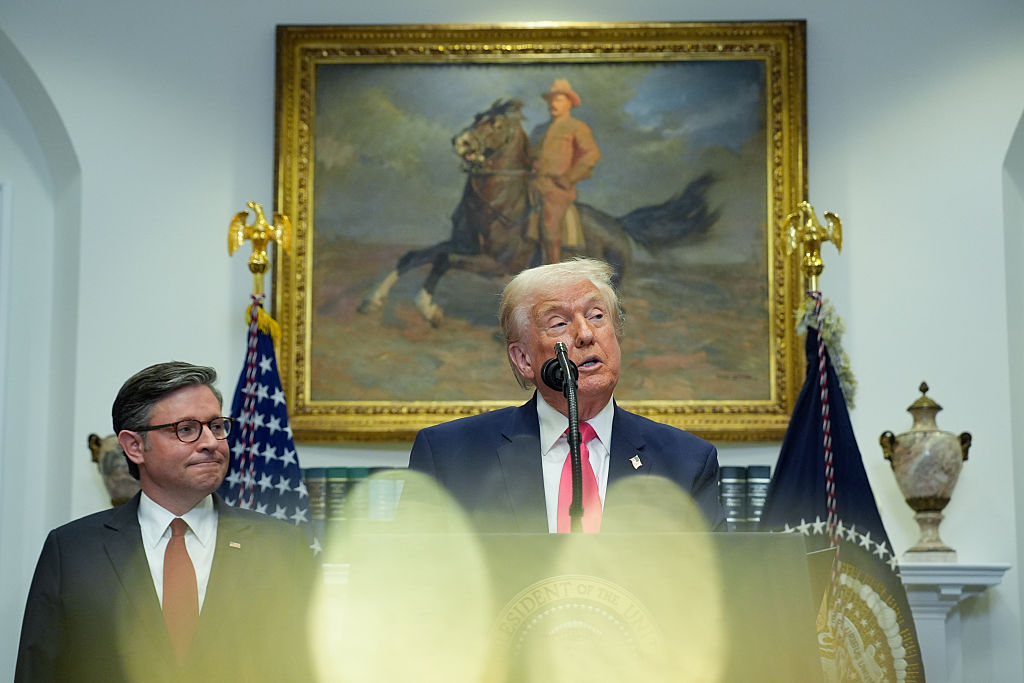
Part of the party’s dismay over Van Epps’ win is the significant investment the GOP Establishment put in to achieve even that margin of victory. Johnson found himself rushed into Tennessee for an eleventh-hour Hail Mary, and a pro-Trump super PAC dropped $1.6 million on the race in the last two weeks.
The reasons for the GOP troubles range from the frustrations among the party’s base over a lack of transparency in the sex trafficking scandal of Jeffrey Epstein to widespread dismay with Trump administration policies including tariff policy, militarized raids on migrant communities, and a looming military incursion into Venezuela.
Those frustrations may be set to grow as expiring health care subsidies hit families’ pockets and may force many to go without coverage altogether, driving up costs for neighbors.
The biggest factor, strategists in both parties acknowledge, is Trump. When he started his second term earlier this year, he had the backing of 91% of Republicans, according to Gallup. Last month, it stood at 84%. (For reference, Trump was enjoying a 95% job approval rating among Republicans in the weeks before he lost re-election in 2020, according to Gallup.)
Among independents, it’s even grimmer. Trump has slipped from a 46% job approval rating among indies at the start of the year to a meager 25% in Gallup’s latest survey. In the weeks leading up to his 2020 defeat, his standing among independents was a solid 41%.
Congress is paying the price. Back in March, 63% of Republicans approved of how Congress was doing its job. Last month, that hit 23%, according to Gallup. Among independents, the crash has gone from 25% in March to 15% in November. These are not numbers that favor steady-as-she-goes indifference to the climate.
And this is all before factoring in history that, with a lone post-9/11 exception, shows most Presidents’ first election cycle with voters after winning the White House goes badly for his party.
So as Republicans regroup this week, they are grappling with how they might save their own hides over the next 11 months in a political ecosystem driven almost entirely by a capricious President and his endless need for attention. While the GOP base is growing weary of The Trump Show, Democrats are fired up and more hopeful about ending Republican control of the House and the Senate.
Make sense of what matters in Washington. Sign up for the D.C. Brief newsletter.