

Every Winter Olympics, the United States fixates on a beloved savior: the all-American “ice princess.” Think of champions like Tara Lipinski, Michelle Kwan, and Kristi Yamaguchi, or a young Michelle Tratchenberg starring in the 2005 movie Ice Princess.
[time-brightcove not-tgx=”true”]
In both reality and fiction, the ice princess glides beautifully, and skates her way into a podium finish without struggle. Imperfection is foreign to her.
But for those of us, like myself, who both follow and participate in women’s figure skating, we know that the sport itself, and the relentless chase of its elite athletes to finesse the balance between art and athleticism, is far uglier. Skating is an achievement fueled by immense physical and mental stressors, financial sacrifice, and restrictive expectations that can wear on competitors for decades.
Being an “ice princess” is not inherently bad. The identity can be a point of pride for skaters in a sport many consider niche. The problem is that when we embrace a one-dimensional representation of women in figure skating, they are confined to a misogynistic rulebook.
Ice princesses are obliged to be polite and palatable at all times, often at the expense of their humanity. If they express passion, they are chalked up to being overwhelmed by hysteria. If they accidentally collide with another competitor in practice, it is sensationalized to malice at the level of the 1994 Tonya Harding-Nancy Kerrigan scandal.
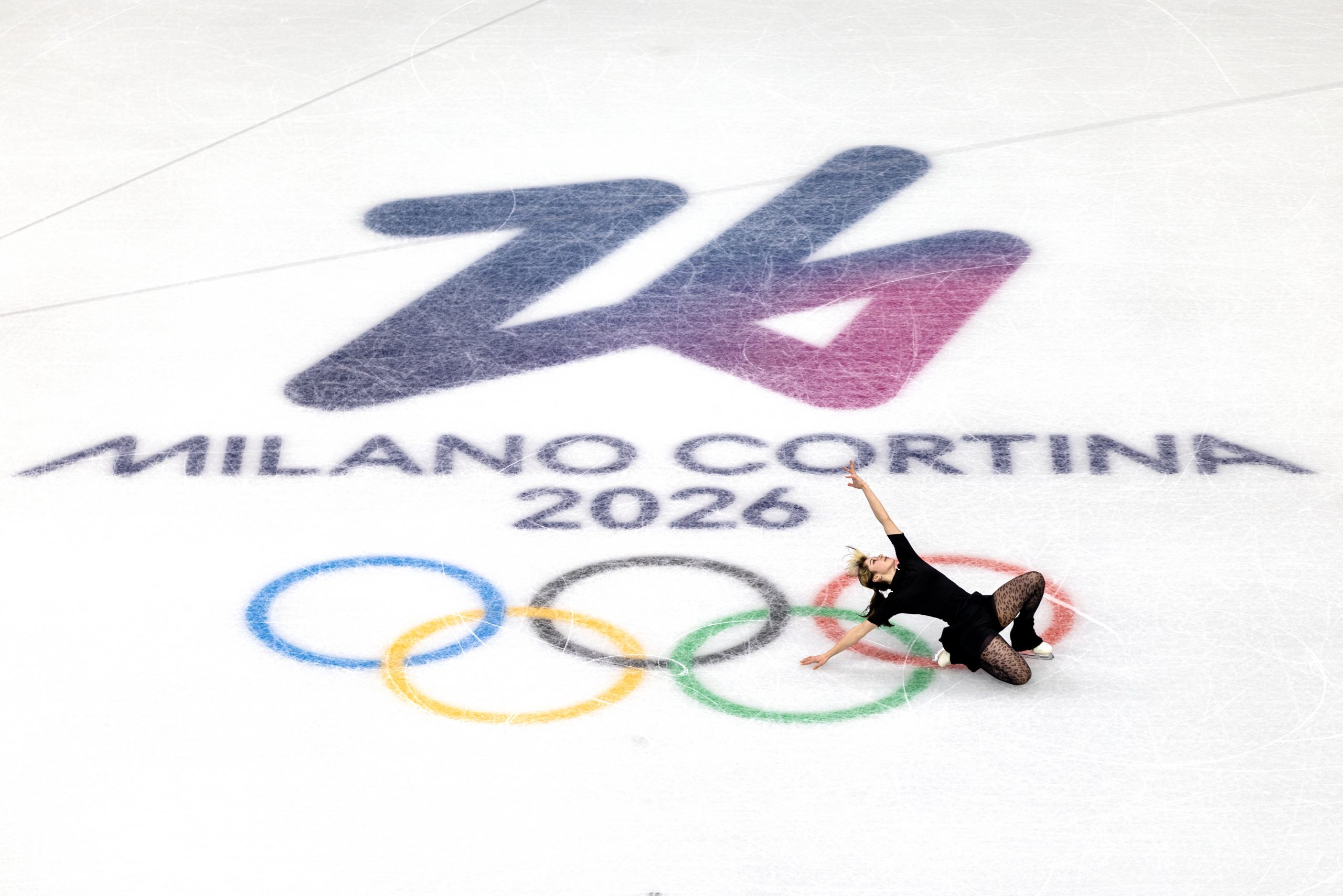
Olympic-level female figure skaters are more than bedazzled dolls. They are fierce athletes, competitors, and ordinary people, too. The slate of American female skaters competing at the Milano Cortina Olympics are prime examples of what it means to proudly deviate from conventional expectations.
Amber Glenn will be the first openly queer women’s singles skater to represent the United States on Olympic ice, a milestone in a sport plagued by a smattering of heteropatriarchal bylaws and homophobic attitudes. Last November, United States Figure Skating instituted a controversial trans-athlete ban. However, that does not stop Glenn from proudly waving and exchanging Olympic pins adorned with the trans pride flag. Glenn also advocates for mental health awareness, especially following her own struggles that led to a hospitalization in her teens.
Glenn’s advocacy builds upon efforts from former Team USA women’s single skaters to speak out against abuse. In 2017, Olympic bronze medalist Gracie Gold announced her retirement due to the concurrent impact of depression, anxiety, an eating disorder, and suicidal ideation on her wellbeing. Gold and her teammate, Ashley Wagner, also came forward about being survivors of sexual assault at the hands of fellow elite male skaters.
Similarly, 2022 Olympic ice dancing champion Gabriella Papadakis of France released a memoir last month where she detailed the abuse she endured throughout her career in the sport, which concluded in 2024. Papadakis detailed how her ice-dance partner of two decades allegedly threatened to terminate their partnership if she reported her sexual assault to the French skating federation. Shortly after Papadakis’ memoir was released, she was dismissed from her role as an Olympic skating commentator at NBC due to her supposed “conflict of interest.”
The expectations of perfection forced upon these women helped facilitate their silence, which is something Wagner cited as reason for her years-long silence. She did not want to be perceived as “undesirable or dramatic” — a perception that could have negatively impacted her athletic career.
The stakes are arguably more severe for minor skaters who glide into the spotlight.
Figure skating places scrutiny on young girls within the sport, like two-time Team USA Olympian Alysa Liu. Liu skyrocketed to national fame in 2019 after becoming the youngest U.S. National Champion in history at 13.
At 16, Liu placed sixth at the 2022 Winter Olympics in Beijing, an event that many viewers now associate less with athletic achievement than with controversy. Much of the attention focused on the doping case involving another teenage skater, Kamila Valieva. But the episode also exposed a deeper, longer-running problem in elite figure skating: the systems that govern how young female athletes are trained, judged, and rewarded.
Valieva’s coach, Eteri Tutberidze, is one of the most prominent figures in a coaching culture that has long been criticized for prioritizing thinness, disordered eating, and early peak performance over athletes’ well-being. Her success has helped set the tone for the sport internationally, shaping expectations for what winning looks like and how far coaches can push young skaters to achieve gold.
In a recent interview with CBS News’ 60 Minutes, Liu attributed her pre-comeback disillusionment with the sport to controlling expectations over her diet and her expressive choices in competition, a particularly toxic mandate in a sport where scoring is dependent on aesthetics. But today, she possesses free rein over her training and seizing titles on the international circuit post-comeback. Even better, Liu does it all while flaunting her signature bleached halo-dye hairstyle and smiley piercing. Her unabashed personal expression at the pinnacle of American women’s skating is quite radical.
The flattening portrayal of competitive female Olympic figure skaters is not unique to the sport. The “ice-princess” title is symptomatic of prolonged attitudes in media that weaken women’s narratives to satiate a broadly misogynistic culture.
This Olympic season, like all the seasons before it, discussions of women’s figure skating must acknowledge the complex personhood behind each sequin-laden costume. Every Olympic skater is multi-dimensional.