

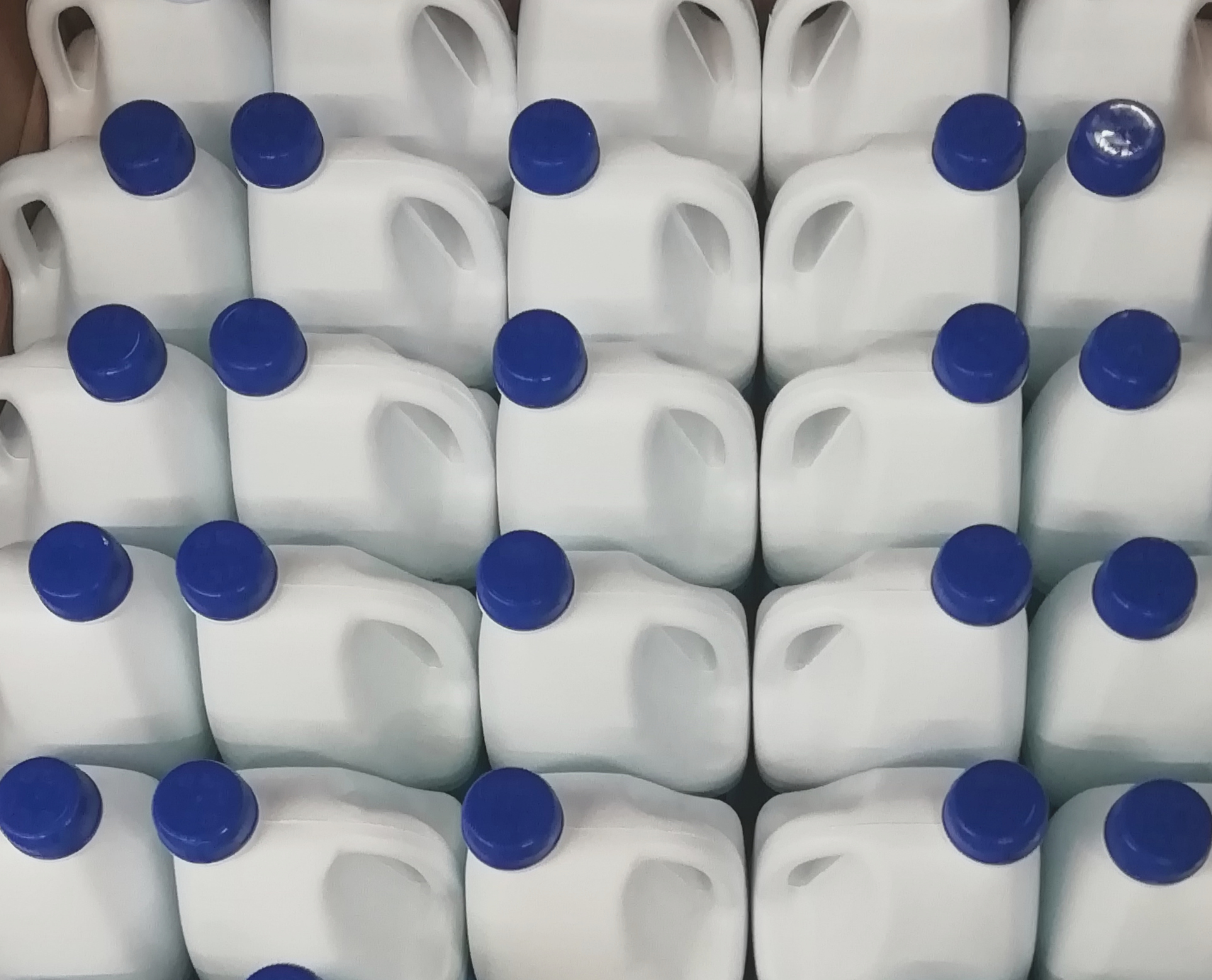
Bleach has a reputation for going scorched earth on bacteria. But not everyone is comfortable with using it; bleach can interact dangerously with other common chemicals and has to be handled with care. For those reasons, many people avoid it altogether.
That may not be a bad strategy. Experts say that although there are a handful of instances when bleach is useful, it doesn’t need to be used as a regular cleaning product in one’s home.
[time-brightcove not-tgx=”true”]
Here’s what to know about how best to use bleach and when easier-to-handle alternatives work better.
What is bleach, anyway?
Bleach, the chemical compound sodium hypochlorite, is a disinfectant. There’s a difference between cleaning and disinfecting, says Katie Sullivan, director of issue communications at the American Cleaning Institute, an industry trade group. “Cleaning is the physical removal of dirt, germs, and debris by scrubbing, washing, and rinsing,” she says. Disinfecting involves killing any remaining germs on a surface after it’s been cleaned.
Read More: The New Way to Predict Your Risk of a Heart Attack
When routinely cleaning your home, soap and warm water is almost always adequate, says Rebecca Fuoco, director of science communications at the Green Science Policy Institute, a nonprofit that advocates for safer chemical use. “The bottom line is that you often don’t need to disinfect your home,” she says. “You just need to clean your home.”
When to use bleach
There are a few instances in which bleach is worth using. Fuoco says disinfecting with bleach is warranted for sanitizing surfaces contaminated with bodily fluids, feces, or vomit from someone who was sick.
Hot, soapy water is generally sufficient for cleaning up everyday messes on kitchen countertops, cutting boards, and kitchen sinks, says Taylor Dunivin, a toxicologist with the Environmental Working Group, an environmental health nonprofit. Very diluted bleach can be used to disinfect surfaces where food with potentially harmful bacteria, like raw chicken, was prepared, but Dunivin recommends using other food-contact sanitizers instead. She adds that you should avoid using general home disinfectant products that aren’t made for food surfaces as they can leave behind a harmful residue.
Read More: 5 Weird Symptoms of Dehydration
Bleach isn’t even necessary or recommended for cleaning your bathroom or shower. “If you notice a little mold in your shower, you can scrub the area with detergent and water—you don’t need to use bleach,” Dunivin says. For toilets, she recommends using cleaning products with lactic acid.
If you must use bleach, avoid using it around children and people with asthma, Dunivin says. “Children’s lungs are still developing and can be more sensitive to breathing in bleach fumes.” Plus, people who use bleach frequently are at an increased risk of developing asthma and other respiratory problems, she says.
If you’re disinfecting a surface, bleach isn’t the only option. You could instead use disinfectants with citric acid, ethanol, or acetic acid as active ingredients, Dunivin says. Fuoco recommends avoiding products that contain quaternary ammonium compounds, as they’ve been linked to various health issues.
How to use bleach safely
Bleach can be a powerful disinfectant, Sullivan says. “It just needs to be used correctly.”
When using bleach, keep these best practices in mind:
Don’t mix it with other chemicals. You should never mix bleach with other cleaners or disinfectants, especially vinegar and ammonia, as the mixture could release a toxic gas, Sullivan says.
Store it safely. As is the case with all household cleaners, bleach should be stored out of reach from children and pets.
Protect yourself. Bleach can irritate the eyes and skin. If you must use it, experts recommend opening windows or doors, turning on household fans, wearing gloves, and even wearing eye protection.
Use soap and water first. If you’re using bleach to disinfect a surface, you should always clean that surface with soap and water first. If you don’t clean the surface first, the sanitizer won’t be as effective.
Always read the product label. Bleach typically must be diluted with a certain amount of water before use. “I encourage people to always read the label because different bleach brands may have different concentrations of bleach in the bottle,” says Lillian Nabwiire, a food safety extension educator at the University of Illinois Urbana-Champaign.
Don’t save it. You should always dispose of bleach that you’ve diluted immediately after using it—not only because it’s toxic, but also because it loses its effectiveness over time, Nabwiire says.