

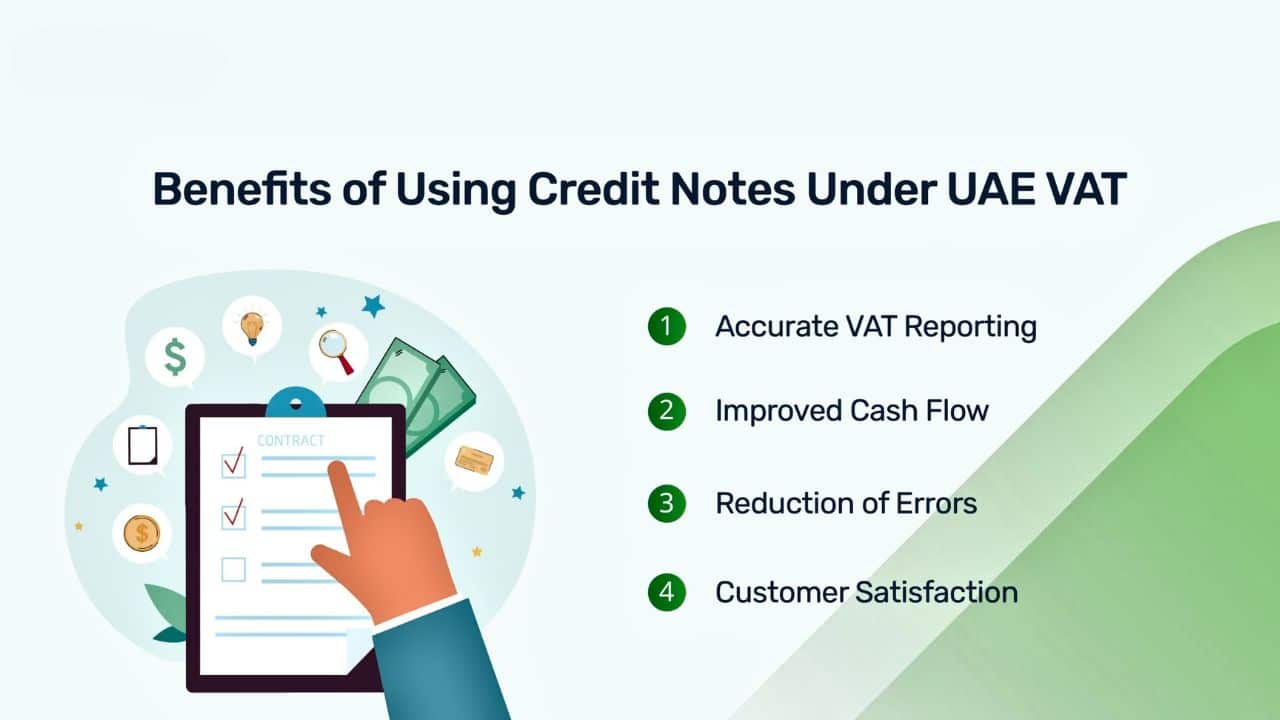
If you’re a business owner, then you must have faced billing mistakes in your life that negatively impact the relationship between your customer and business. Are you also stuck in this situation and looking for a solution? A credit memo is the answer to your problem.
Businesses use it as a legal document to reduce the amount of money a customer owes after issuing an invoice. Many people think credit memo as a technical term, but understanding how it works is useful for both the business owner and the customer.
In this blog, you will learn what is credit memo, how it works, and when a business should use it. Along with this, you will also get to know about the major difference between a refund and a credit memo. Let’s start with understanding the credit memo in detail.
What is a Credit Memo?
A credit memo is a document that allows a customer to return defective or damaged goods to the seller and receive a credit or refund. People also call it a credit note or credit memorandum. It works by reducing the total payable amount by a customer. These issues generally occur during the time of exchange or due to a correction in a sales invoice.
In simple words, when a customer receives a damaged product, the extra amount paid by the buyer is returned in the form of a credit note. It works by subtracting the amount of the defective products from the final bill. Businesses use a credit memo to revise the actual amount of money or credit they expect to receive instead of changing the original sales invoice. They can either send the credit directly to the customer’s account or deduct the credit amount from the final payable amount.
Example
Let’s understand with the help of an example. A company named ABC has sold 10 office chairs to a customer. The total payable amount of the chairs is worth $400. After receiving the order, the customer noticed that 4 of the chairs were damaged and decided to return them. The total value of the defective chair is $160. To fix this problem, the company issued a credit memo worth $160, and the updated document reduced the new balance to $240.
This example shows how a credit memo works. It helps by keeping track of the financial records accurately for a clear invoice.
What are the Benefits of a Credit Memo for Business?
Source: COVORO Agentic AI Ecosystem
A credit memo is highly useful for businesses. Especially in situations where customers ask for money back for a damaged and defective product.
Beneficial for keeping accurate financial records: Credit Memo helps businesses to correct the invoice mistakes without deleting or changing the original invoice.
Increases customer trust: When a business issues a credit memo, it shows professionalism and avoids any personal miscommunication between buyer and seller.
Simplify the refund process: Instead of generating a whole new invoice, sellers can simply make a credit memo to adjust the amount owed by the buyer.
Helps in tracking returns and discounts: It creates a record of returned products, price adjustment and special discounts given to the customer.
Maintains a clear and transparent business operation: It creates clear documents for every business transaction.
What Information is Present on a Credit Memo?
A credit memo includes several details that explain the reason behind the credit issued. These details show that the credit amount will be reflected in the buyer’s account. It is helpful for the business and the customer to have a record of simple and clear documents. Common information available on the credit memo includes:
Credit memo number: It is a unique number used to track and identify the credit memo.
Issue date: The date on which the credit memo was issued.
Customer/Buyer details: Information related to the customer, including name, address, and contact information.
Seller/Business details: Company name, address, and contact details.
Bill number of the original document: Invoice number related to the credit memo should be present.
Reason: A short description of the returned or damaged product, including billing errors.
Product or service details: The document lists the details of the items or services being credited.
Total credit amount: The document shows the amount of money the company will credit back to the customer.
Total balance: The total amount that a customer owes after the application of the credit amount.
Signature: Documents should be signed by both parties.
What is the Format of a Credit Memo?
Source: Scribd
A credit memo format includes a standard design of organized information so that both the company and the customer can clearly understand the credit adjustment without any confusion. A basic credit memo format includes:
Company details: The company must include its name, logo, address, mobile number, and email address at the top of the document.
Title and number: The company should clearly label the document as a credit memo and include a unique credit memo number.
Date: The company should mention the issue date and due date on the top right side of the page.
Customer information: Mention the customer information, including name, address, mobile number, and email address.
Item details: Make a table of the items returned, along with the quantity, in a clear and easy-to-understand format. Include item description, unit, adjusted quantity, and credit amount.
Total credit amount: Clearly add details about applied tax and other charges, and mention the final amount to be given by the customer.
Reason: Mention reasons such as damaged product, pricing errors, and applicable discounts.
Authorized signature: Add the authorized signature of the company issuing the credit memo.
Also Read: The Search Monitor Review 2026: Pricing and Alternatives
When a Business Should Issue a Credit Memo?
A company should issue a credit memo when there is a need to reduce or adjust the payable amount mentioned on the previously issued invoice. Here are some of the common situations when a business issues a credit memo.
Product return: If a customer returns the product after the purchase. The business issued a credit memo to reduce the amount of the previously made invoice.
Received damaged or defective item: When a customer receives a damaged or defective item, the seller needs to compensate the customer. In such cases, the seller creates a credit memo.
Errors in bills: When a business overcharges a customer by mistake, it uses a credit memo to update the total amount instead of issuing a new invoice.
Post-sale discount: When a business gives a discount after it has already sent the invoice, it issues a credit memo to adjust the amount. A credit memo helps in adjusting the price.
Cancellation of the order: If a customer cancels an order after the business generates the bill, the company can issue a credit memo to remove or reduce the applicable charges.
Problem with service adjustment: If a service provider does not fully deliver the service or fails to meet the agreed-upon terms and conditions, the company creates a credit memo to adjust the amount.
Is a Credit Memo and a Refund the Same?
Features of a credit memo and a refund memo are somewhat the same, as both terms help in reducing the amount a customer needs to pay or owes. The primary difference is how the money is adjusted.
A credit memo gives the customer credit in their account and reduces the existing invoice or allows the customer to use the credit for future purchases. Although a refund means the seller returns the money directly to the customer. It can be done through cash, bank transfer, or through the original payment method.
For example, if a customer returns a product worth $100, and the company issues a credit note/credit memo to the customer as credit. The customer can use this amount to pay the current bill or apply it to a future purchase. If the customer requests a refund, the company can return the credited amount to the original bank account or provide it as cash.
At last, a credit memo is not only useful for the seller, but it also helps buyers to receive the money they spent while purchasing a product.
Related: What Is CloudConvert? Is It Safe To Use?
FAQs
Is a credit memo a legal document?
Yes, a credit memo is a legal document. It is used to record the credit adjustment in the invoice.
Who issues a credit memo?
The seller or business, whoever has originally issued the invoice, is the person who issues the credit memo.
Who is responsible for the credit memo?
The business finance or accounting department handles credit memos.
Can a credit memo be reversed?
Yes, it can be reversed if it was issued by mistake or the transaction is correct.
The post What is a Credit Memo? Definition, Example, and Use Cases appeared first on The Next Hint.